In Spring 2021, when I was still teaching remotely during the acute phase of the Covid-19 pandemic, I set off on an adventure of drawing cities with our students. This was very much a project for bridging distance, making places come alive for each other. Dr Giada Peterle, now a lecturer at the University of Padova in Italy, and I, a professor at the University of Geneva in Switzerland, enrolled our group of students in creative projects drawing their lives in the city. We couldn’t meet up indoors, but we could share stories as short comics, drawn, written and constructed remotely. When shared, these stories resonated with each other. Some were built simply by authors staring out of a window, confined, others born of conversations with friends, neighbours, partners, new acquaintances.
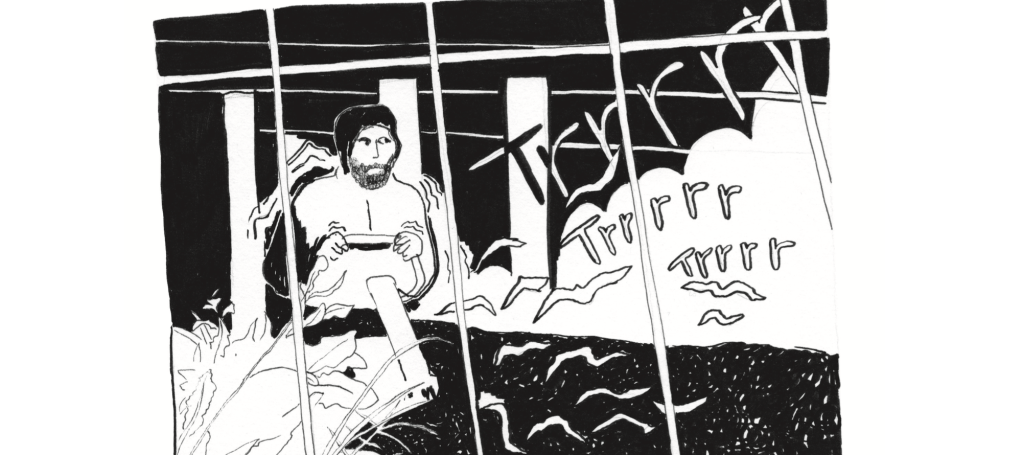
We printed some of these in a short booklet published by the University of Geneva called Neighbourhoods: Visualing Cities / Quartiers: Penser l’Expérience de la Ville en Images. We both thought this adventure should continue, and that other stories should continue to be added to the mix, creating urban mosaics of our diverse experiences around the world. As geographers, we felt that this was a good way of making sense of our fragmented world, while finding time to create links across and between different places.
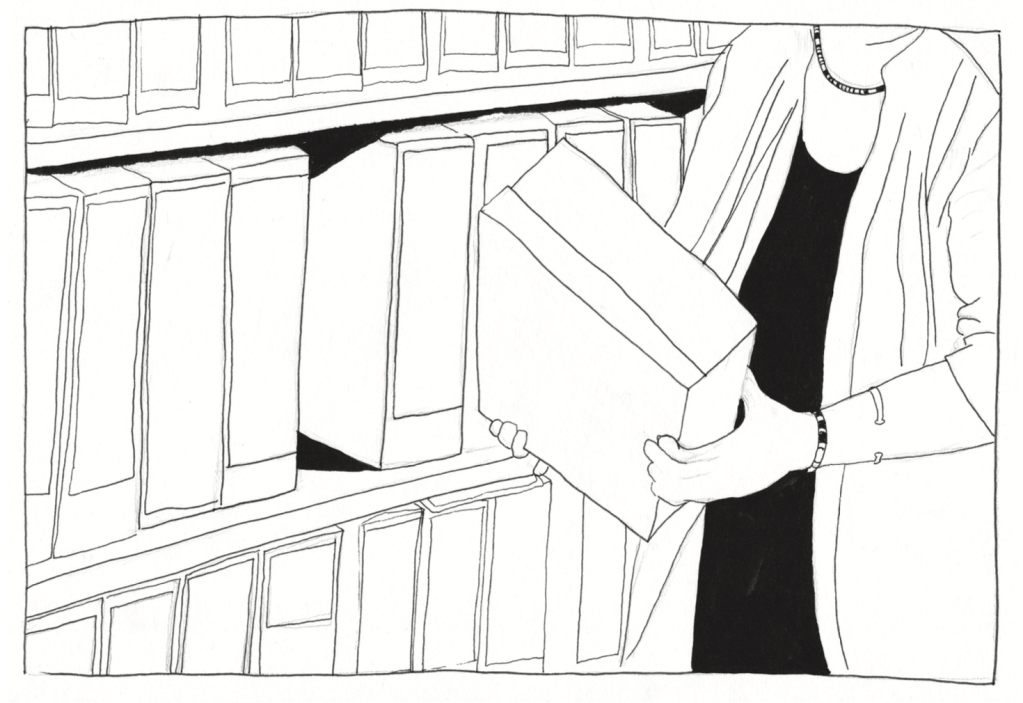
In choosing the topic, we took inspiration from Giada Peterle’s Quartieri: Viaggio al Centro delle Periferie Italiane, a comic book co-authored with Adriano Cancellieri: an anthology of short comics published by BeccoGiallo (2019). This is part of the emergent field of academic work in social science that uses comics as a means of research and expression. Quartieri is made up of five short comics that tell subjective stories from five peripheral neighbourhoods in five Italian cities. This offered a useful example of a collective piece of work that brought together different research, narratives, and graphic styles, as well as authors and graphic artists from different disciplinary backgrounds. We tasked our students to reproduce this exercise in the neighbourhoods they were living in, mostly in French-speaking Switzerland. Focusing on a small spatial unit gave them the opportunity to explore intimate spatial relationships and their conception of home, while also getting them to think about their conception of public space. This exercise was carried out safely during the pandemic by allowing students to choose how much contact they had with other people, either carrying out interviews or sticking to careful ethnographic observations at a distance. In order to get them inspired, a former student and colleague – the author and artist Herji – also took part in teaching two drawing workshops online and outside, to get students over the fear of putting pencil to paper. Today, the adventure continues elsewhere!
 Narrating Cities