Drawing cities and narrating the lives within them involves making both methodological and artistic choices, speaking to people, considering places and the connections between them. In our first experience, we were amazed and impressed by the diversity of the styles adopted by our students. These subjective illustrated stories both speak about and speak to the places they narrate, adding another layer to the urban experience.
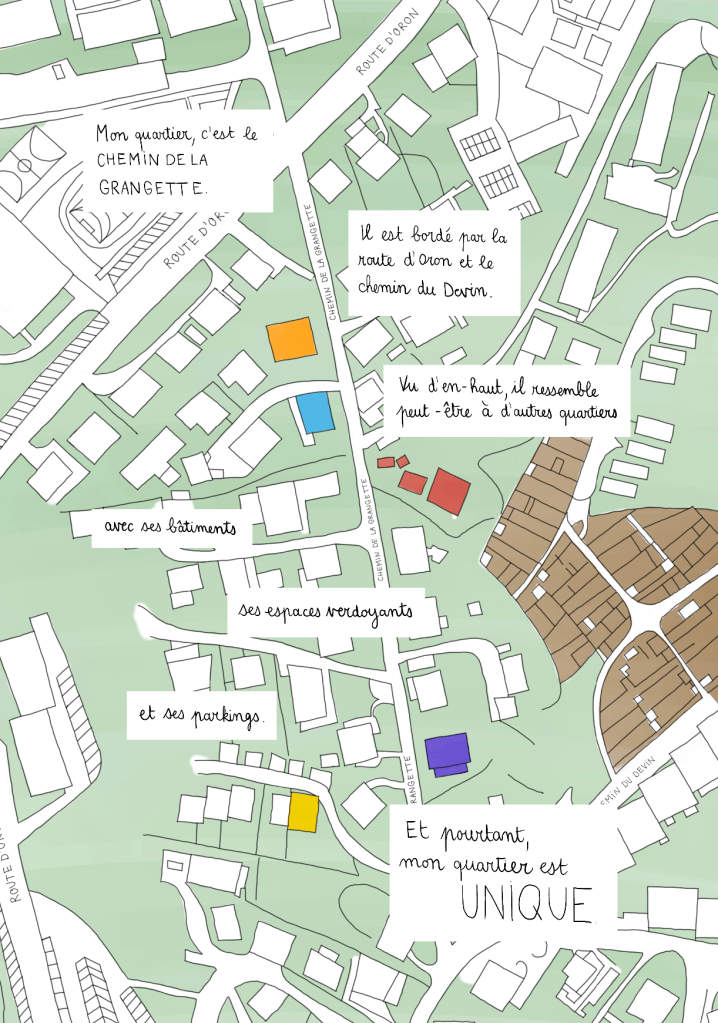
Choosing the narrate places in this way, from the start, means carrying out fieldwork with the knowledge that what is being observed is always already visual, always already part of a story. This changes how we engage with our work in the field, seeking out stories, using our sense to construct narratives from the start.
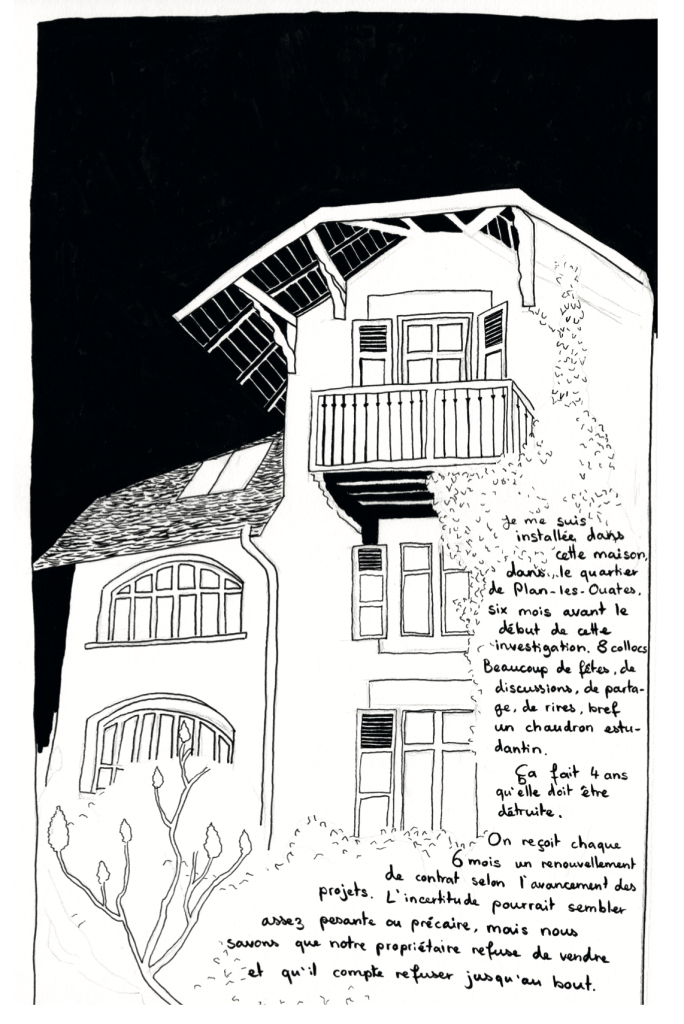
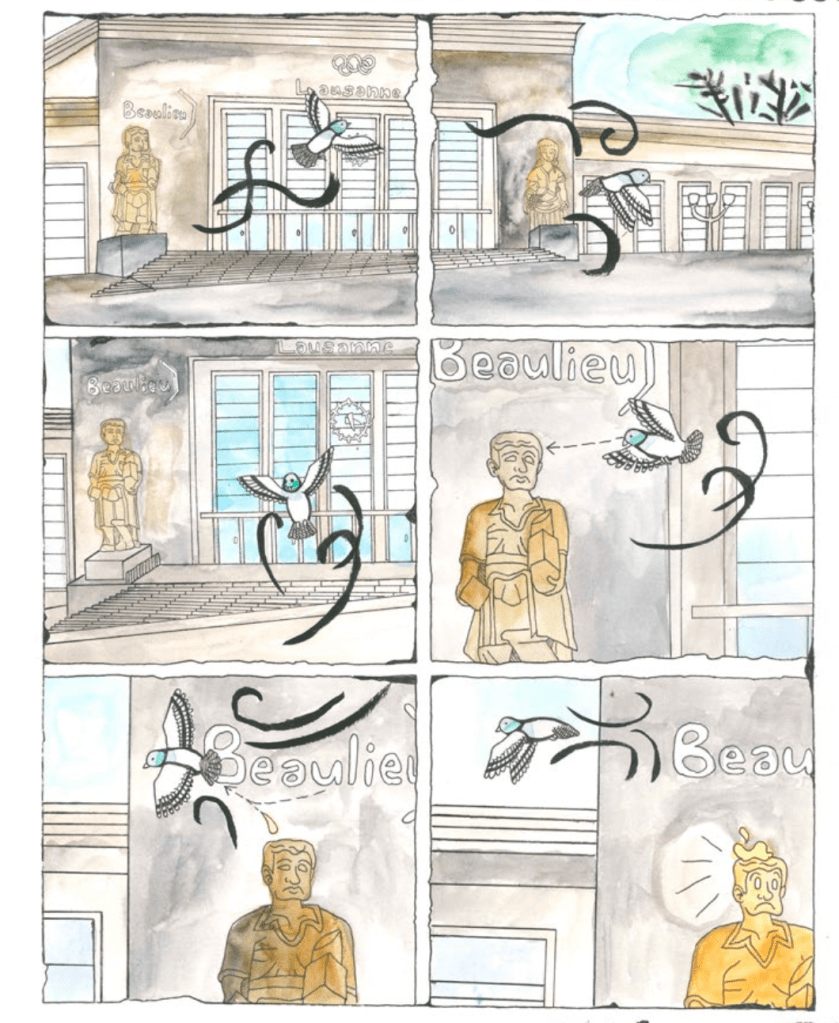
In drawing the city, our voices and our stories are always subjective, even when we strive to remain faithful to the tales we collect and to the experiences of others. It is by reflecting on this that our work gains credibility, not by pretending to speak from some imaged point of objective detachment. In doing this creatively, we can also make the voiceless speak: such as imagining what things or statues have to say.
We can draw upon a diversity of visual material, collecting maps, images, archives to bring into the narrative. Crafting the past in our drawings, making places alive.
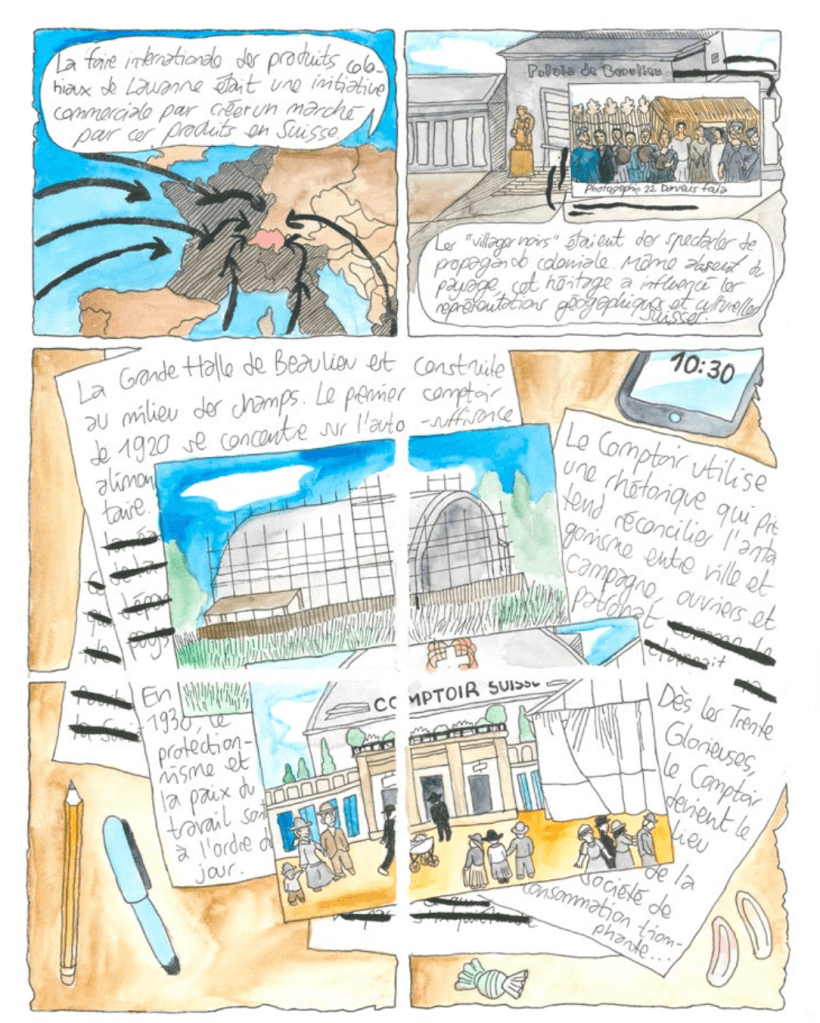
The only limit, as they say, is our imagination. But also, of course, our skills, time and ability to just have a go and tell our stories.
 Narrating Cities
Leave a comment